Lascaux: Complete Guide to Visiting
Lascaux: Complete Guide to Visiting
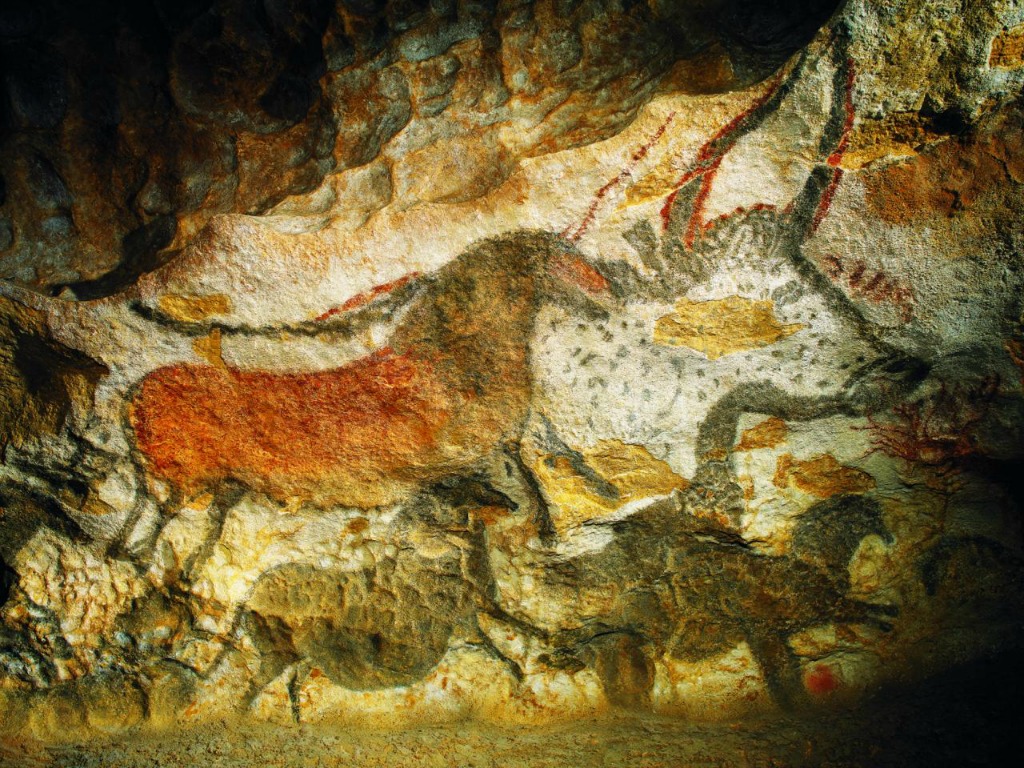
Lascaux caves are in the Dordogne department just a few kilometres from Montignac. Discovered in 1940 by four boys searching for their lost dog, they showcase some of the most exceptional examples of prehistoric art in the world — nearly 2,000 figures of animals, abstract signs, and human figures dating back 17,000 years.
History
Discovered on 12 September 1940 by four teenagers whose dog had fallen into a hole. The cave was opened to the public after WWII and quickly became a major tourist attraction. By 1963, the high volume of visitors had caused visible damage to the paintings from carbon dioxide, humidity, and artificial lighting. The cave was closed to the public and remains closed to this day. A series of replicas — Lascaux II, III (travelling), and IV — have been created to allow the public to experience the art.
Fun fact: Four teenagers discovered Lascaux by accident when their dog Robot fell into a hole. They didn’t tell anyone for several days.
What to See
Lascaux IV (Montignac): The most complete and accurate replica, opened in 2016. The entire cave is reproduced with stunning fidelity. Includes a museum and educational centre. Allow 2–3 hours.
Lascaux II: The original replica, opened in 1983. Reproduces the Hall of the Bulls and the Axial Gallery with astonishing accuracy using the same techniques and pigments used by prehistoric artists.
Visitor Information
Opening hours: Open year-round, hours vary by season. Book in advance, especially during summer. Lascaux IV has guided tours in English.
Admission: Contact Lascaux IV for current prices. Combined tickets available.
Getting there: Located near Montignac, 25 minutes north of Sarlat. Parking at Lascaux IV.
- ★ 17,000-year-old cave art
- ★ Lascaux IV replica
- ★ Discovered by teenagers
- ★ World Heritage site
Planning a Dordogne trip? Browse all guides →