Château de Beynac: Complete Guide to Visiting
Château de Beynac: Complete Guide to Visiting
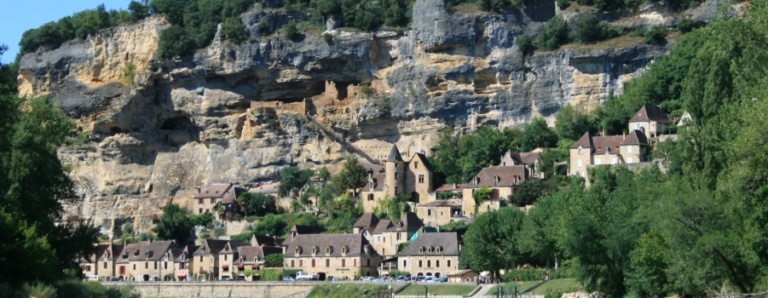
Château de Beynac is one of the most dramatic and best-preserved medieval fortresses in France, perched on a 150-metre cliff directly above the Dordogne River. The château dominates the village of Beynac-et-Cazenac below and offers panoramic views over the valley.
History
Built in the 12th century by the Barons of Beynac, the castle was a key stronghold during the Hundred Years’ War, controlled by the barons who were loyal to the French crown. During the war, the castle was held by the English while across the river the French held Castelnaud. The castle was never successfully besieged thanks to its cliffside position and three layers of defensive walls. It was declared a historical monument in 1929.
Fun fact: Beynac has been used as a filming location for Luc Besson’s The Messenger: The Story of Joan of Arc and Ridley Scott’s Robin Hood.
What to See
The Great Keep: The massive square keep is the tallest structure and offers the best views from the top. Inside, you will find the guard room, the lord’s chamber, and a small chapel.
The Hall of the Estates of Périgord: The largest room in the castle, used for meetings of the four barons of Périgord. Strikingly austere and authentic.
Medieval Kitchen and Oratories: A fully restored kitchen with original 15th-century frescoes in the oratories.
The Ramparts: Walk along the defensive walls and take in the extraordinary view of the Dordogne River, Castelnaud, and the Valley of the Five Châteaux.
Visitor Information
Opening hours (2026): Reopens 7 February. Spring: 10:00–18:00. Summer (Jul–Aug): 9:00–22:00 weekdays, 9:00–20:00 weekends. Autumn: 10:00–18:00. Reduced hours in winter. Closed early Jan to early Feb.
Admission (2026): Adult €12.50 / Youth 11–16 €7.00 / Under 10 free. Free guided tours included in ticket price. QR code audio guide available — bring a charged phone.
Parking: Main car park at the top of the village (2-minute walk). Lower car park involves a 15-minute uphill walk.
Best time to visit: Spring or autumn for the best light and smaller crowds. July–August stays open until 22:00 on weeknights for sunset visits.
Getting There
Car: D703 from Sarlat (15 minutes). Parking at the top of the village.
Tour: Available from Sarlat and surrounding towns.
Boat: Traditional gabarres operate on the river — the best way to view the castle from below.
- ★ 12th-century cliff-top fortress
- ★ Panoramic views over Dordogne Valley
- ★ Medieval rooms, kitchens and frescoes
- ★ Free guided tours included
Planning a Dordogne trip? Browse all guides →